Best Candidates for Fotona 4D Laser Facial (TimeWalker) in Encino, CA
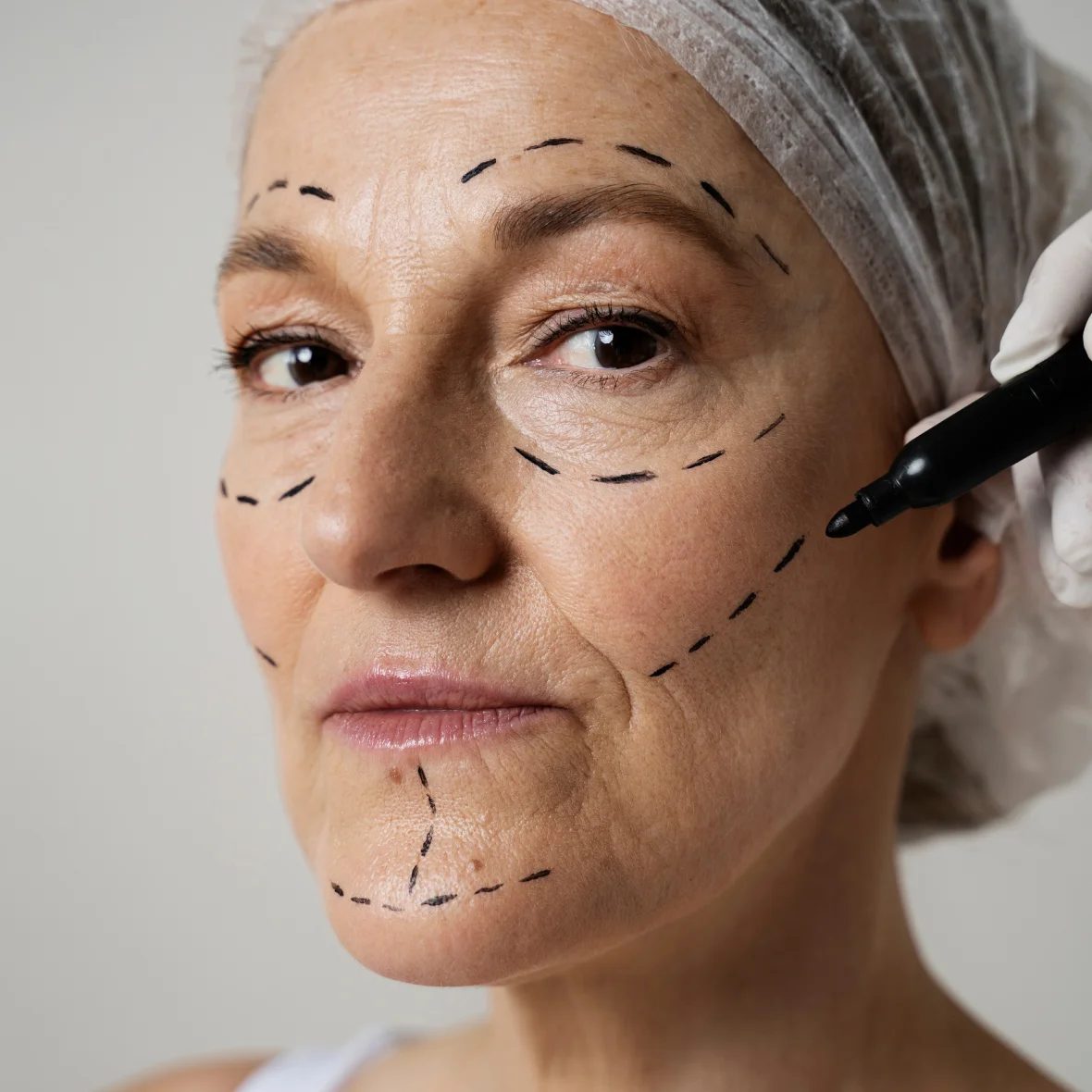
Aesthetic treatments tend to get grouped together as if they all solve the same problem. They do not. Some are best for pigment. Some tighten. Some resurface. Some improve texture while doing very little for laxity. The appeal of the Fotona 4D Laser Facial, often discussed under the TimeWalker platform, is that it addresses several age-related concerns in one treatment plan without the downtime many people associate with aggressive resurfacing.
That does not mean it is right for everyone.
The patients who tend to do best with a Fotona 4D Laser Facial (TimeWalker) in Encino, CA usually share a few things. They want visible improvement, but they are not necessarily looking for surgery. They notice that their face looks less firm than it did a few years ago. Makeup may start to sit differently around the mouth or under the eyes. Smile lines linger longer. The jawline softens. Skin may look tired even after rest. These are often the people who benefit most, especially when expectations are realistic and the treatment plan is matched to the skin in front of you, not to a generic before-and-after photo.
What makes Fotona 4D different from a standard facial
Despite the word “facial” in the name, this is not a spa facial. It is a layered laser treatment designed to target tissue at different depths. Depending on the protocol and the provider’s approach, it may combine intraoral treatment, fractional rejuvenation, deeper dermal heating, and superficial polishing. That multi-level approach is why the treatment often appeals to people who are trying to improve tone, texture, mild laxity, and early volume loss without going straight to more invasive procedures.
One of the practical advantages is versatility. In clinic, the treatment can be adjusted based on whether the main issue is perioral wrinkling, crepey texture, mild sagging, enlarged pores, acne scarring, or overall dullness. Not every patient needs the same intensity, and not every face should be treated the same way. A 42-year-old with early jowl formation and etched lines around the mouth is very different from a 29-year-old with post-acne texture and enlarged pores, even if both ask for “skin tightening.”
That distinction matters in Encino, where many patients are active, outdoors often, camera-conscious, and looking for low-disruption options. A treatment that can fit into real life, with manageable recovery, tends to attract interest. Still, convenience should never replace proper screening.
The strongest candidates usually have mild to moderate aging changes
The best results tend to show up in people with early to moderate concerns rather than severe tissue descent. If someone has substantial skin laxity in the lower face, heavy jowls, pronounced neck banding, or a large amount of excess skin, a laser treatment may help quality and firmness, but it is unlikely to produce the kind of lift they may actually want. That is where disappointment often starts, not because the technology failed, but because the indication was off.
A good candidate often notices a gradual shift rather than one dramatic flaw. The face looks less crisp. The nasolabial area seems more pronounced. Fine lines around the lips or under the eyes become harder to ignore. The skin loses bounce. Pores appear larger, especially through the central face. In those cases, the Fotona 4D Laser Facial can be a strong option because it addresses multiple layers of aging that tend to show up together.
I have found that patients in their thirties through sixties often make up the core group, though age alone is not the deciding factor. Biological age, sun history, skin quality, smoking history, and collagen reserve all matter more than the birthday on a chart. A healthy 58-year-old with moderate laxity and decent skin integrity may respond better than a heavily sun-damaged 39-year-old who wants a one-time fix.
Who often benefits most
There is a pattern to the patients who are happiest with this treatment. They usually want meaningful change, but not a drastic alteration. They want to look fresher, tighter, smoother, and more rested. They are willing to do a series if needed. They understand that collagen remodeling is a process, not an overnight event.
The following groups often make strong candidates:
- People with mild to moderate skin laxity in the cheeks, jawline, or around the mouth.
- Patients bothered by fine lines, crepey texture, or early etched wrinkles.
- Those with dullness, enlarged pores, or uneven texture who want more than topical skin care can deliver.
- Men and women who want rejuvenation with limited downtime and no incisions.
- Patients willing to maintain results with periodic follow-up treatments and good sun protection.
That last point is more important than it sounds. Laser results last longer and look better when patients protect the investment. Someone who gets treatment and then spends every weekend in intense sun with inconsistent sunscreen use will often blunt the outcome.
The ideal mindset matters almost as much as the skin condition
One of the most reliable predictors of satisfaction is not just anatomy, it is mindset. Good candidates understand that laser rejuvenation improves, it does not perfect. The skin can become smoother, tighter, and brighter. Fine lines can soften. The lower face can look more refined. But the treatment will not make a 55-year-old face structurally identical to a 30-year-old one, and it will not remove every fold or replace lost deep volume.
Patients who approach treatment as part of a broader strategy usually do best. They may pair laser care with medical-grade skin care, neuromodulators, volume restoration when appropriate, or maintenance sessions over time. They are not chasing a miracle in one appointment. They are building better skin quality and preserving it.
By contrast, the tougher cases often involve patients who want surgical-level lifting without surgery, or who expect one session to erase years of sun exposure, collagen loss, and repetitive motion lines. There is nothing unreasonable about wanting excellent results, but the treatment plan needs to match the biological problem.
Skin texture, crepiness, and the “tired face” patient
Some of the nicest Fotona 4D outcomes appear in patients whose main complaint is not dramatic sagging, but overall fatigue in the face. Their skin may look flat, a little loose, and slightly rough in photos. They often describe themselves as looking older than they feel. Friends may say they seem tired even when they are not.
This group often responds well because the treatment can stimulate collagen remodeling while improving surface quality. When texture smooths out and tissue tightens modestly, the face reads as healthier and more awake. It is not uncommon for these patients to say that they cannot point to one single dramatic change, but everything looks better. In aesthetics, that kind of global improvement is often more elegant than one isolated correction.
Patients with fine smoker’s lines, early marionette shadowing, and delicate wrinkling around the mouth can also be good candidates, especially if they are not yet ready for more invasive intervention. Around the perioral area, subtle tightening and resurfacing can make a face look more polished without changing identity.
The role of age, hormones, and collagen loss
Aging is not linear. Hormonal shifts, especially around perimenopause and menopause, can accelerate collagen decline and skin thinning. Many women first seek treatment during this period because they notice that their usual skin care no longer does enough. The skin starts feeling less resilient. There may be new roughness, laxity, and a hollow or deflated quality.
This does not mean younger patients cannot benefit. They can, particularly when texture, acne scarring, or preventive collagen support is part of the goal. But the consultation should distinguish between prevention and correction. A 32-year-old with good elasticity and a bit of uneven texture may need a lighter plan than a 51-year-old with visible lower-face softening and etched lines.
Men can be excellent candidates as well. In fact, many prefer laser-based rejuvenation because it tends to preserve a natural look. The goal is rarely “done.” It is sharper, healthier, less worn. Men with thicker skin and mild to moderate laxity often appreciate the gradual nature of improvement.
Candidates with acne scarring or enlarged pores
Not every good candidate is focused on aging. Patients with textural irregularities, larger pores, and mild acne scarring may also benefit from a Fotona 4D Laser Facial (TimeWalker) in Encino, CA, depending on the exact pattern and depth of scarring. Shallow rolling texture and generalized pore enlargement often respond better than deep ice-pick scars, which may need a broader plan or different modalities.
This is one area where nuance matters. A patient may come in asking for “tightening,” but the real issue is texture that catches light in an unflattering way. On the other hand, someone may think they have acne scarring when the dominant problem is actually redness, laxity, or volume loss. Good assessment saves people time and money.
For texture-focused patients, the attraction of TimeWalker is that it can improve both the surface and some deeper support, which can make the skin look more refined overall. It is rarely just about one pore or one scar. It is about how the skin reflects light across the face.
Fitzpatrick skin type, pigment risk, and caution
Laser candidacy always requires a conversation about skin tone and pigment behavior. Not every laser setting is appropriate for every skin type, and not every patient has the same risk for post-inflammatory hyperpigmentation. Darker skin tones can absolutely be treated in many cases, but careful parameter selection, timing, and pre-treatment planning matter.
Patients with a history of melasma, easy hyperpigmentation, or delayed healing need extra caution. A treatment may still be possible, but it must be tailored. Sometimes the best clinical decision is to start conservatively, prepare the skin first, or choose a different approach entirely. The worst mistakes in laser aesthetics usually come from treating everyone as if their skin behaves the same way.
An experienced provider should ask about prior laser reactions, tanning habits, active rashes, photosensitizing medications, and whether the patient has upcoming travel or heavy sun exposure planned. In Southern California, this is not a minor detail. Someone headed to a beach vacation a week after treatment Fotona 4D Laser Facial (TimeWalker) Encino, CA may not be timing things well.
When someone is not a good candidate
This treatment has a broad appeal, but there are clear situations where it should be delayed or avoided. Active infection, uncontrolled inflammatory skin conditions in the treatment area, open lesions, recent intense sun exposure, and certain medical issues can all change the safety profile. Pregnancy protocols vary by practice and provider preference, but many elective laser treatments are postponed.
There is also the issue of mismatch between concern and modality. If a patient’s main problem is heavy lower-face descent, significant platysmal banding, or deep static folds caused primarily by tissue position rather than skin quality, laser alone may underserve them. Similarly, severe acne scarring, substantial facial volume loss, or marked pigmentation concerns may call for adjunctive or alternative treatment.
These are common reasons for postponing or reconsidering treatment:
- Active tan, recent sunburn, or inability to avoid sun during healing.
- Unrealistic expectations, especially expecting a surgical lift from a non-surgical treatment.
- Active infection, uncontrolled skin irritation, or certain healing disorders.
- Use of medications or a medical history that raises safety concerns for laser treatment.
- Severe laxity or advanced aging changes better addressed with another modality or surgery.
A good consultation should feel selective, not sales-driven. Being told “not yet,” “not this,” or “not by itself” is often a sign of sound judgment.
Recovery expectations in real life
For many patients in Encino, downtime is one of the deciding factors. They want improvement without disappearing from work, family life, or social obligations for two weeks. That is a reasonable goal, but recovery still needs honest framing. Depending on the protocol intensity, patients can expect temporary redness, warmth, mild swelling, and a sandpapery feel as the skin renews. Some people bounce back quickly. Others stay pink for several days.
This is where treatment planning becomes practical. If a patient has a major event in three days, that is not ideal timing. If they can schedule around a long weekend, work from home briefly, and follow aftercare carefully, the experience is often much smoother. I usually find that busy professionals tolerate moderate downtime well when they know what to expect in advance. What frustrates people is surprise, not recovery itself.
Aftercare tends to be straightforward but important: gentle cleansing, barrier-supportive moisturization, strict sun avoidance, and no picking or aggressive exfoliation while the skin is healing. Patients who are disciplined during this phase generally recover better and protect their result.
Why local lifestyle matters in Encino
Candidacy is not just about biology. It is also about behavior. In Encino and the broader San Fernando Valley area, lifestyle can influence both risk and outcome. Many residents spend significant time driving, exercising outdoors, hiking, playing tennis or pickleball, or attending social events where sun exposure accumulates even when it does not feel dramatic.
That means a patient who says, “I’m not really in the sun much,” may still have meaningful incidental exposure through the windshield, lunch patios, and weekend activities. For laser patients, this matters. If someone cannot commit to consistent broad-spectrum SPF, hats, and sensible timing Fotona 4D Laser Facial (TimeWalker) Encino, CA around treatment, they may not be the best candidate right now.
On the positive side, many Encino patients value subtle rejuvenation. They do not want to look overdone or obviously altered. The Fotona 4D approach often fits that aesthetic preference because results can appear progressive and natural rather than abrupt.
How many sessions are usually needed
The answer depends on the starting point and the goal. Patients with mild concerns may be pleased after fewer sessions, while those with more established laxity or textural change often benefit from a series. Maintenance also matters. Collagen remodeling continues for a period after treatment, but the aging process does not pause.
A patient with early lower-face softening might feel happy with a series and then periodic maintenance once or twice a year, depending on response and overall plan. Someone addressing acne-related texture may need a different cadence. The wrong way to discuss session count is with absolute promises. The better way is to frame it as a personalized course based on skin quality, tolerance, and progress.
This is especially true when patients compare themselves to online photos. Lighting, makeup, facial expression, baseline skin quality, and adjunctive treatments all affect what those images show. The best benchmark is not someone else’s photo. It is a careful assessment of your own tissue and goals.
Pairing Fotona 4D with other treatments
Some of the best aesthetic outcomes come from smart combinations rather than trying to force one device to do everything. For the right patient, a Fotona 4D Laser Facial can be the backbone of a rejuvenation plan, improving the canvas of the skin. Then, if needed, other treatments can address specific issues that laser alone cannot fully solve.
For example, etched lip lines may improve with laser, but dynamic movement from muscle activity may still benefit from neuromodulation. Midface hollowing may need volume support. Pigment may require a different wavelength, topicals, or a separate strategy. The point is not to stack treatments unnecessarily. It is to match the intervention to the problem.
Patients who understand this are often the most satisfied because they stop evaluating every treatment as if it should act like every other one. Tightening, resurfacing, lifting, and volumizing are related, but they are not interchangeable.
Questions worth asking at a consultation
A strong consultation should clarify whether you are truly a candidate, not simply whether you can book a session. The discussion should cover your medical history, medications, prior procedures, tendency to pigment, current skin care, and what specifically bothers you when you look in the mirror. “I just want to look better” is common, but it needs unpacking. Better can mean firmer, brighter, smoother, less lined, less puffy, or less tired, and each points in a slightly different direction.
It is also worth asking how the provider adjusts treatment for different skin types, what downtime is typical in their hands, how many sessions they usually recommend for concerns like yours, and what they would choose instead if they did not think you were the right candidate. That last question can be especially revealing. Experienced clinicians usually have no trouble saying when another modality would be smarter.
The patients who tend to be happiest
The happiest patients are rarely the ones chasing a dramatic transformation in one sitting. More often, they are the ones who notice several moderate concerns and want a refined, cumulative improvement. They want their skin to look firmer, smoother, and healthier. They understand that collagen stimulation rewards patience. They value natural results. They are willing to protect their skin afterward.
If that sounds like you, and your concerns are in the mild to moderate range rather than severe, you may be a strong candidate for a Fotona 4D Laser Facial (TimeWalker) in Encino, CA. If your laxity is advanced or your goals are closer to a true lift, the best consultation may point you elsewhere. Either outcome is useful. The right treatment is not the one with the most marketing behind it. It is the one that fits your skin, your anatomy, your timeline, and your expectations.
OMNIA Wellness Center
16430 Ventura Blvd Ste 207, Encino, CA 91436
Phone: +1 818-386-8511
FAQ About Fotona 4D Laser Facial (TimeWalker) Encino, CA
What is a Fotona laser good for?
Fotona lasers support several different aesthetic protocols. The Fotona 4D facial uses two wavelengths and four treatment modes to address concerns such as fine lines, skin texture, and mild laxity. OMNIA Wellness Center offers the TimeWalker facial with an individual consultation. Suitability and likely improvement depend on the person's skin and goals; results are not guaranteed, and this treatment does not reproduce a surgical facelift.
How much does a Fotona laser treatment cost?
The cost depends on the treatment protocol, areas treated, number of sessions, and provider's assessment. Ask OMNIA Wellness Center for a current written quote that explains what is included, whether follow-up is included, and any proposed package terms. An individualized estimate is more useful than assuming that one advertised price applies to every facial treatment.
How much downtime is there after a Fotona laser procedure?
Recovery varies with the specific protocol and intensity. Fotona describes its 4D facial as having little to no downtime, but temporary redness or sensitivity can occur, and a stronger surface treatment can require more recovery. Ask the treating clinician what to expect from the planned settings, how to care for the skin afterward, and when to contact the clinic with concerns.